On this page
Most visitors to an online store don’t buy on their first visit. Some are comparing, some are waiting for payday, some are shopping for a gift weeks away. Without a wishlist, all of that interest leaves with them.
So do wishlists increase sales? Yes, but not by themselves. A wishlist is how you keep the interest. Follow-up is how you turn it into an order.
How a wishlist leads to a sale
1. It gives undecided shoppers something to do besides leave
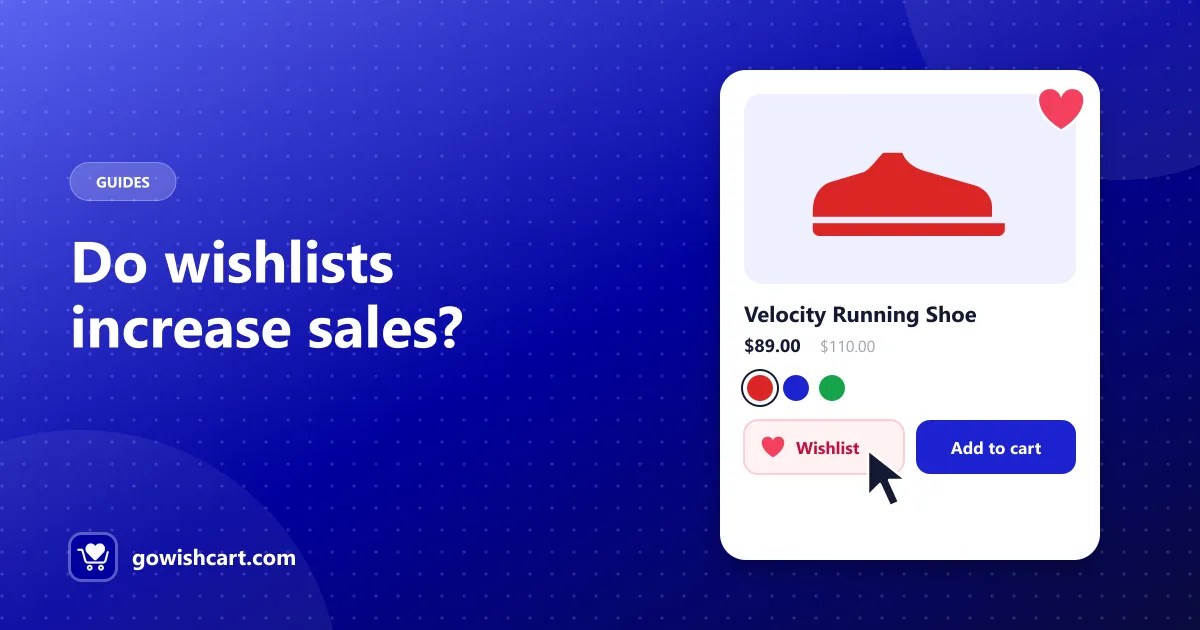
“Add to cart” asks for a decision. “Add to wishlist” doesn’t. For a shopper who is interested but not ready, saving the product is an easy yes, and it keeps them connected to your store.
2. It tells you what people want
Every saved item is a signal. You learn which products attract interest but don’t convert, which variations are popular, and which sold-out items people are waiting for. That helps with pricing, restocking and promotions.
3. It gives you a reason to get in touch
This is where sales actually happen. A shopper who saved a product has told you they want it. You can email them when:
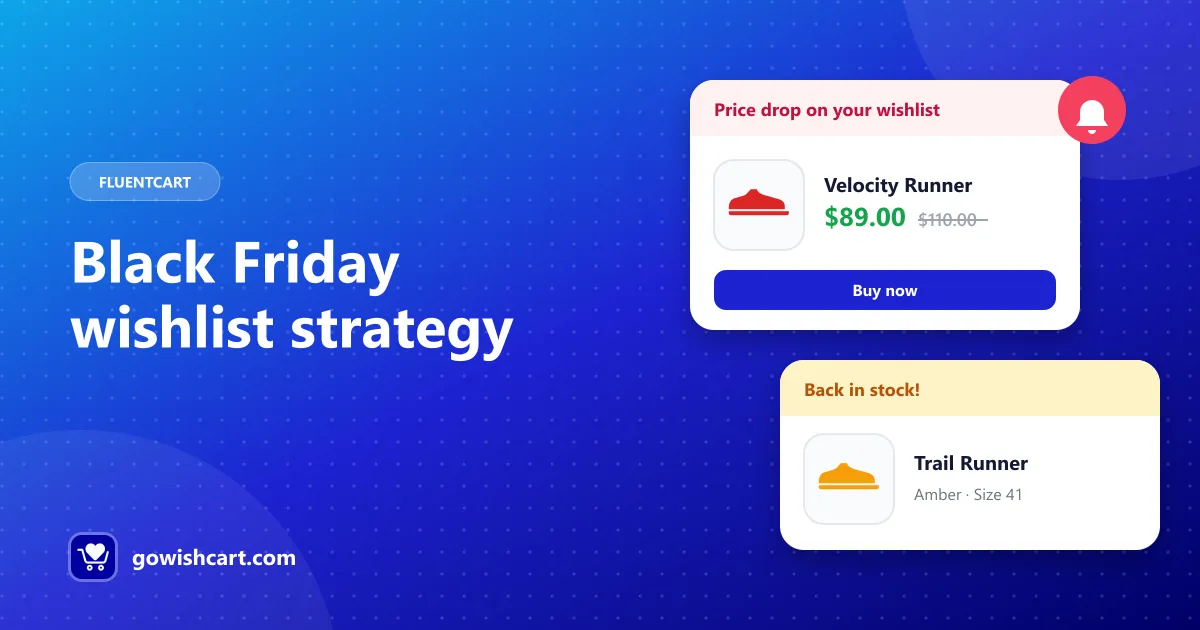
- the price drops,
- a sold-out item is back in stock,
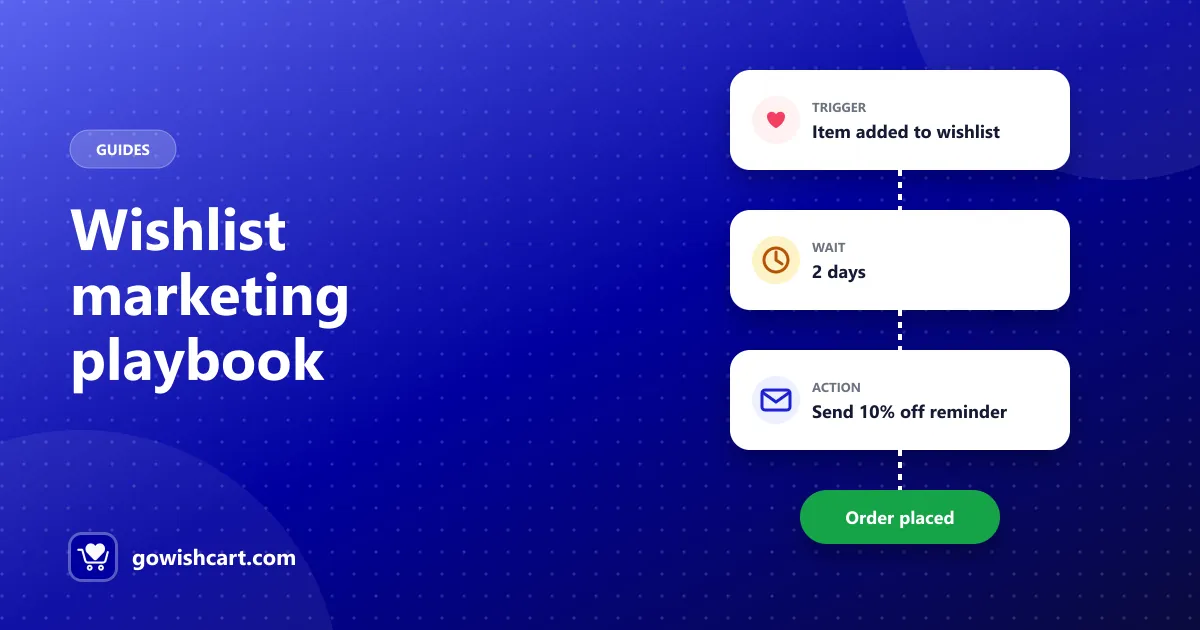
- a few days have passed and they haven’t bought yet.
These emails are about a product the shopper picked themselves, which makes them far more relevant than a general newsletter. GoWishCart sends price drop and back-in-stock alerts automatically, and you can build reminders with FluentCRM.
4. It brings shoppers back by themselves
A wishlist page is a shortlist. When a shopper returns, they can go straight to what they saved and add it to the cart, instead of searching your catalog again.
When wishlists don’t help
A wishlist can sit unused or collect items no one ever buys. The usual reasons:
- A signup wall. If guests must create an account to save, most won’t. Use guest wishlists.
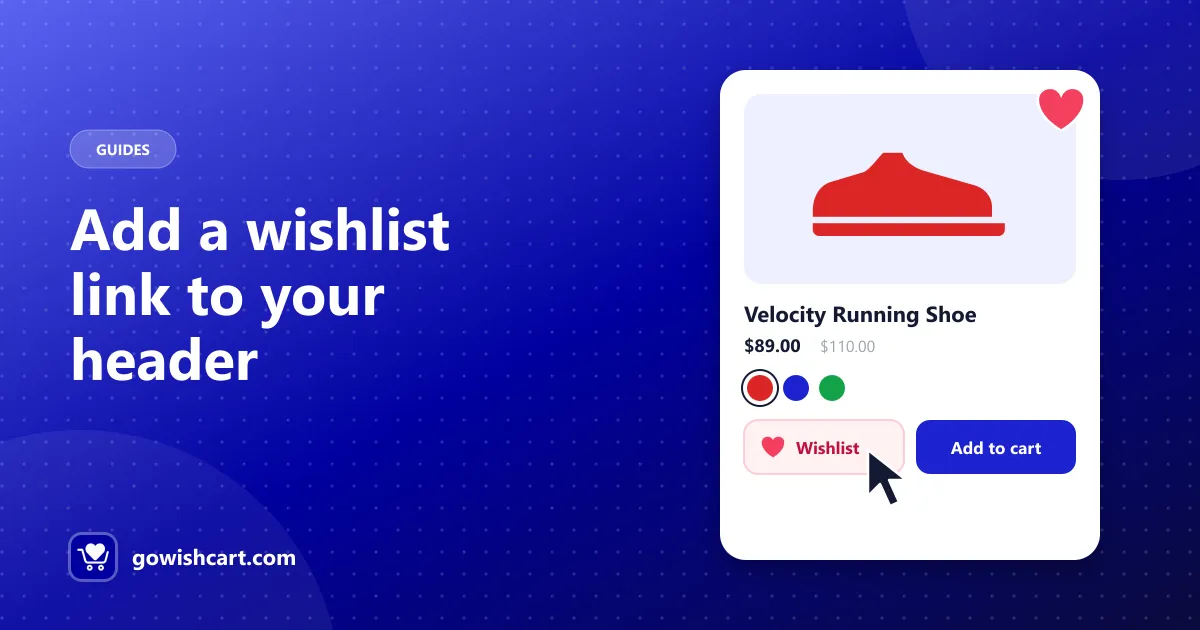
- A hidden button. If shoppers can’t see the button near Add to cart, or on shop pages, they won’t use it.
- No way back. If the wishlist page isn’t linked in your header or menu, shoppers can’t find it again. See how to add a wishlist link to your header.
- No follow-up. A wishlist with no emails is just a bookmark.
How to measure it
Watch a few numbers over time:
- how many products are added to wishlists each week,
- how many wishlist items end up in a cart or order,
- how many orders come from price drop and back-in-stock emails.
Your email tool shows clicks and orders from alerts. GoWishCart Pro adds wishlist analytics and wishlist-to-cart conversion tracking.
The bottom line
A wishlist doesn’t create demand. It catches the demand that already exists and would otherwise walk away, and gives you a polite, relevant reason to follow up. For most stores, that’s well worth a free plugin.
Ready to try it? Start with the complete guide to wishlists on FluentCart, then read wishlist marketing: how to turn saved items into sales.
Frequently asked questions
Do wishlists increase sales?
Yes, when you follow up on them. A wishlist captures interest from shoppers who aren't ready to buy, and alerts and reminder emails bring them back when they are.
Why do customers use wishlists?
To save products they like but aren't ready to buy: to compare options, wait for payday or a sale, check sizes, or plan a gift.
What is a good wishlist strategy?
Make saving easy (including for guests), collect an email where you can, and send timely alerts when a saved item drops in price or comes back in stock.

GoWishCart Team
We build GoWishCart, the free wishlist plugin for FluentCart stores. Questions about this article? Ask in thesupport forum.